
A collection of rivers and lakes that we consider to be our "HOME WATER". We use the term Home Water for when we get a day to go fishing, these are the places we fish. We dedicate ourselves to update these reports on a weekly basis, at a minimum! As river conditions change, so will these reports.
Current Fishing Conditions:
May Fishing Report
Flows have been fluctuating on the DSP, so you may need to hold off for a day or two while things settle down clarity wise. Once the flows level out and the water clears, expect fishing to start picking up on this iconic section of water. The crayfish and leeches are starting to get active, which has the carp keying in on things other than annelids. Nymphing is still going to be the most productive technique, although do keep your eye out for tailing fish, particularly on the warmer days.
Look for fish in their normal zones – just expect fewer of them to reveal themselves. It is important to really pay attention to behavior and save your shots for feeding fish. Also look for warmer and sunnier days - nice conditions will turn carp on and get them feeding in shallower water and flats.
5/17/13 Update: with the recent rainy weather, flows on the DSP are a bit too high for productive fishing. At this point, we would reccomend chasing carp in one of Denve's many lakes and ponds.
Suggested patterns: Crazy Dad 8, Brasso's Brandy Candy 8, Crazy Dad 8, Long Strip Crayfish, Barry's Carp fly, Hogan's Carp Bait, Morlock's Carp Breakfast, Agent Orange, Onyx Agent, Swimming Carp Nymph
River Description
The Denver South Platte is our go to water after work. The DSP (Denver South Platte) is the best carp fishery in the west (In our humble opinion) with the size of the carp being anywhere from 5 pounds to 40 pounds.We see carp fishing as practice for the flats for Bones, Reds, Permit etc and it will truly make you a better trout fisherman and will teach you the essentials to sight fishing. Some days will be so frustrating you wonder why you are standing in the middle of Denver, and other days you even wonder why you drive to the mountains when you can be sticking 10+ pound fish 15 minutes from your front door.
Not only will you find massive carp, the river is breeding grounds for rainbows and browns ,smallmouth bass, largemouth bass, catfish, perch, and walleye. There is an ongoing effort by Denver Trout Unlimited to help clean up and restore the Denver South Platte and make our river the best warmwater fishery in the west! One of their efforts is the Denver Carp Slam, a day long fishing tournament where the best anglers in the Country come to compete to see who can rack up the most inches of carp.
If you are thinking about trying your hand at Carp on the fly, come down to the shop and talk to one of us and we will get you pointed in the right direction.
If you really want to cut the learning curve you can take a guided trip with Trout's Guide Service.
Current Fishing Conditions:
May Fishing Report
We hopeful that May will bring a much needed flow increase to Bear Creek, particularly seeing as our South Platte River basin snowpack is now well over 100%. The downside here is that these flow increases will make for difficult fishing on this locals favorite, the upside being that these flushing flows will do a lot to help rehabilitate this river after last years low water conditions.
5/17/13 Update: runoff has officially arrived on Bear Creek, with flows now spiking well over 100cfs. Expect difficult fishing over the next couple of weeks, but rest assured that these flushing flows will do a lot to improve fishing conditions on this stretch of water later into the summer.
Insects and Natural Food Sources
Baetis, midges and small black stoneflies will still make up a majority of the fish’s diet. As flows begin to elevate, aquatic annelids (aka the san juan worm) will be valuable food sources.
Recommended Flies
Bead Head attractor nymphs such as the Prince Nymph, Flashback Pheasant Tail, Copper John sz. 16-20, Attractor Dry Flies such as the Stimulator or Amy’s Ant sz 14-16, Small streamers sz 4-10, Baetis Emerger Patterns size 18, Caddis larva and pupae patterns size 16, Parachute Adams sz. 16-22, Parachute BWO sz. 16-22, Hatch Matcher BWO sz. 16-20, Tailwater Humpy sz.16-20, Brooks Sprout Midge sz. 18-22, Trico Emerger sz. 18-20, Worms sz. 16-20, Pheasant Tail sz. 18-22, Copper John sz. 18-20, RS2 sz. 18-22, WD-40 sz. 18-22, Black Beauty sz. 18-22, Mercury Baetis sz. 18-20
River Description
Bear Creek is a great spot close to Metro Denver, especially for those that only have a few hours to wet a line. This is 3wt water or smaller, so leave the big sticks at home. During the Fall and Winter months, productivity of the fishing will depend highly on the time of day and overall weather conditions. Fishing will be best from 11am - 4pm, particularly on the warmer and sunny days. Adverse weather will most likely create difficult conditions and potential high and off color water. This is a good year round option as Bear Creek will rarely freeze for prolonged periods of time.
Current Fishing Conditions:
May Fishing Report
The Big Thompson will offer some relief to the runoff woes that will exist on many other high country streams during May. Keep in mind that fishing will be most consistant and productive from Lake Estes to Drake, as the North Fork of the Big T may be running high and off color creating unfishable conditions in the lower canyon. There will be a variety of insects starting to hatch, so make sure you have a solid selection of flies before heading out. Bigger can often be better during the spring months, so think about upsizing your flies to help garner the fishes attention.
5/17/13 Update: Fishing has remained very productive on the Big Thompson, with a lot of great reports coming from our customers. Standard attractor patterns trailed with BWO, Baetis and Caddis imitations have been producing great results. Occasional hatches have the fish looking up, so be sure and have your dry fly box with you as you can expect to see some surface activity.
Insect and Natural Food Sources
BWO's, Baetis, Caddis and small Stones will be the primary food source for May. Eggs will become a less relevant food source as the rainbow trout finish their spawn.
Recommended Flies
Barrs Emergers sz. 18-22, Copper Johns sz. 16-20, Wired Stone 14-18, 20-Incher 14-18, Beaded Little Mayfly (BLM) sz. 18-20, Eggs (trout beads) sz. 6mm - 8mm, Pheasant Tails sz. 16-22, Zebra Midge sz. 18-22, RS2 sz. 18-22, Barrs Graphic Caddis 16-18, Prime Time Pupa 14-16, Z-Wing Caddis 14-18, Parachute Adams 14-18, Purple Haze 14-18, Extended Body BWO 14-18.
River Description
Originating in Rocky Mountain National Park, the Big Thompson offers anglers a wide variety of angling options. From high country, to tailwater, to a traditional western freestone riverm the Big T is an amazing angling destination along the Front Range. There are 3 different sections of this river, in Rocky Mountain National Park (high country), below Lake Estes (tailwater), and below the town of Drake (freestone). Each of these sections is going to offer different angling opportunities and challenges, so be sure to check back to make sure the area you are looking to fish has optimal current conditions.
Current Fishing Conditions:
May Fishing Report
Below Georgetown, Clear Creek is completely open as of the end of April, though the river is still on the lower side. That will soon change though as warm temperatures in the high country will lead us closer and closer to runoff. As flows begin to elevate over the next month, look for fish to be pushed closer to the edges and in the eddies and pockets closer to the bank. Work the pockets in particular with a dry-dropper rig. Also, small streamers stripped along the banks will be productive, especially in the event you arrive to off color water.
5/17/13 Update: Runnoff is officially setting in on Clear Creek, making for tougher fishing conditions. Fish will be help up along the bank lines, so be cautious as you approach the water as they will be easily spooked if you try to step in the water. Dry dropper rigs fished up-stream and along the banks will produce fish, as will high stick nymphing the deeper pockets. Watch the flows before heading out, as daily spikes in flow will vary depending on the weather.
Insects and Natural Food Sources
Baetis and smaller stoneflies will make up the fish’s diet as we creep closer to runoff. Keep an eye out for Caddis to make an appearance as well, especially in Golden and along HWY 6.
Recommended Flies
Bead Head attractor nymphs such as the Prince Nymph, Flashback Pheasant Tail, Copper John sz. 12-16, Attractor Dry Flies such as the Stimulator or Amy’s Ant sz 8-14, Small streamers sz 4-10, Baetis Emerger Patterns size 14-18, Caddis larva and pupae patterns size 12-16
River Information
Clear Creek is a tributary of the South Platte River, approximately 66 miles long, in north central Colorado. The creek flows through Clear Creek Canyon directly west of Denver, descending through a long gorge to emerge on the Colorado Eastern Plains where it joins the South Platte.
Clear Creek begins near the continental divide near Loveland Pass, northwest of Grays Peak in western Clear Creek County. It descends eastward through Clear Creek Canyon past the towns of Silver Plume, Georgetown, and Idaho Springs. Within the canyon it receives numerous smaller tributary creeks that descend from the rugged mountains on either side.
Current Fishing Conditions:
May Fishing Report
With flows hovering just under 40cfs, 11-Mile Canyon should be fishing decent for the near future. Lower flows will make for spooky fish, but there should be consistant hatches of Baetis, BWO's, Midges and some early caddis which will at least have the fish feeding. Attractor patters like Scuds and Eggs will also work well, particularly as the resident rainbow trout continue their annual spawn. Nymphing will be the most productive method of fishing, primarily during the early morning and evening hours. As air temps begin to warm during the day, expect to see good hatches and fish beginning to look up. With the warmer temps of spring starting to take hold, be sure and fish the entire river as fish are beginning to spread out from the deep pools and runs. Riffles and faster moving water can be ideal spots to fish, especially when bugs are hatching.
5/17/13 Update: flows remain on the low side coming out of 11-Mile reservoir, and we don't expect to see things change much until after runoff when reservoir levels are more significant. Fishing will remain productive despite low flows, just remember to focus on stealth and presentation.
Insects and Natural Food Sources
Baetis will become more and more the focus in a fish’s diet as we get into the month. Obviously midges too. Little Black Micro Stoneflies are also flying around these days and the fish will definitely take advantage of these as a food source. As fish begin their spawning, eggs will also make up a portion of their diet.
Recommended Flies
Parachute Adams sz. 16-22, Parachute BWO sz. 16-22, Hatch Matcher BWO sz. 16-20, Tailwater Humpy sz.16-20, Brooks Sprout Midge sz. 18-22, Trico Emerger sz. 18-20, Scuds sz. 16-18, Worms sz. 16-20, Pheasant Tail sz. 18-22, Copper John sz. 18-20, RS2 sz. 18-22, WD-40 sz. 18-22, Black Beauty sz. 18-22, Mercury Baetis sz. 18-20
River Information
11-Mile Canyon is a picturesque secion of the South Platte River located just outside of Lake George, CO. As one of Colorado's State Parks, thre is an entrence fee to fish this section of river, so be sure to purchase your day pass when entering the canyon. Accessible by dirt road, there is an abundance of fishable water in 11-Mile Canyon. While the lower river will fish well, it is prone to ice during the winter months, and tends to hold smaller fish than the upper river. As you get closer to the dam, water temps and insect life will increase, creating an ideal habitat to grow larger fish. Because this section of the South Platte River is located below 11-Mile Reservoir, all flows are dictated by reservoir releases. The upside of this is that this river is fishable 365 days a year.
Current Fishing Conditions:
May Fishing Report
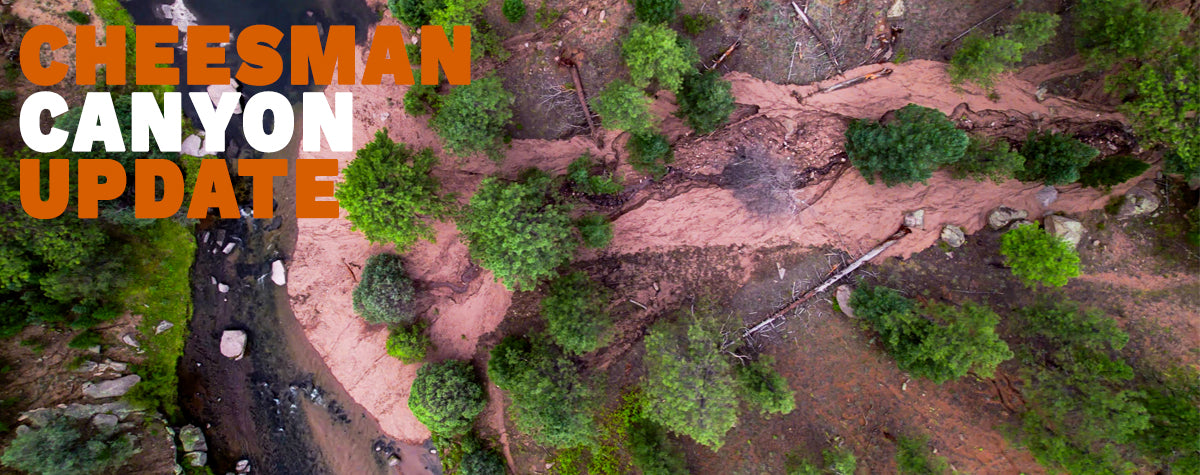
As we predicted in April, flows have remained on the low side below Cheesman reservoir. As we get into May, the South Platte in the Cheesman Canyon and Deckers area will likely see a very brief to minimal spike in flows as we predict runoff will be very brief on our Front Range fisheries. But despite the continual low levels, the river has remained fishing very well. The substantial hatches of midges and baetis that we saw in April will likely continue in the early part of this month and mid day dry fly fishing has been exceptional in both sections. As we get later and later in May caddis will begin making an appearance as well. Fish are still holding in the deeper water as of the start of the month, so look for that dark green water or quick depressions in the river bottom.
5/17/13 Update: flows have remained minimal coming out of Cheesman Reservoir as Denver Water works to fill this holding pond. The good news here is that there is roughly 120cfs coming into the reservoir, which will help fill it soon rather than later. The fish seem to be getting used to these new surroundings, and have begun to be a bit more willing to eat a well resented fly. Water temps are still low with the reservoir releases coming from the bottom of the reservoir, but do be wary of water temps as we move into more consistant warm daytime temperatures.
Insects and Natural Food Sources
Baetis, midges and small black stoneflies will still make up a majority of the fish’s diet. As flows begin to elevate, aquatic annelids (aka the san juan worm) and scuds in Cheesman Canyon will be valuable food sources.
Recommended Flies
Bead Head attractor nymphs such as the Prince Nymph, Flashback Pheasant Tail, Copper John sz. 12-16, Attractor Dry Flies such as the Stimulator or Amy’s Ant sz 8-14, Small streamers sz 4-10, Baetis Emerger Patterns size 14-18, Caddis larva and pupae patterns size 12-16, Parachute Adams sz. 16-22, Parachute BWO sz. 16-22, Hatch Matcher BWO sz. 16-20, Tailwater Humpy sz.16-20, Brooks Sprout Midge sz. 18-22, Trico Emerger sz. 18-20, Scuds sz. 16-18, Worms sz. 16-20, Pheasant Tail sz. 18-22, Copper John sz. 18-20, RS2 sz. 18-22, WD-40 sz. 18-22, Black Beauty sz. 18-22, Mercury Baetis sz. 18-20
River Information
Cheesman Canyon is by far one of the most remarkable and unique trout fisheries in the Rocky Mountain West. With nearly 4 miles of Gold Medal water that is only accessible by foot, Cheesman Canyon offers visitors an angling experience they will never forget. But be warned, this fishery will test the skills of the most advanced angler, so don't expect fishing this river to be a walk in the park. Because this section of the South Platte River is located below Cheesman Reservoir, flows are dictated by reservoir releases but allow this river to be fishable 365 days a year. There are two access points for this fishery, one at the bottom of the canyon and one at the top of the canyon. The bottom access is much easier and is the recommended route into Cheesman. For those looking for a physical challenge, the upper access trail will certainly meet your needs. Be sure to bring extra layers, food and water with you, as it is easy to find yourself far from the comforts of your vehicle.
Current Fishing Conditions:
May Fishing Report
As we predicted in April, flows have remained on the low side below Cheesman reservoir. As we get into May, the South Platte in the Cheesman Canyon and Deckers area will likely see a very brief to minimal spike in flows as we predict runoff will be very brief on our Front Range fisheries. But despite the continual low levels, the river has remained fishing very well. The substantial hatches of midges and baetis that we saw in April will likely continue in the early part of this month and mid day dry fly fishing has been exceptional in both sections. As we get later and later in May caddis will begin making an appearance as well. Fish are still holding in the deeper water as of the start of the month, so look for that dark green water or quick depressions in the river bottom.
5/17/13 Update: not much has changed on the Deckers section of the South Platte River. Flows remain minimal, but fishing has been productive albeit tough. Stealth presentation and light leader and tippets are a must, as are natural looking flies with less flash. Keep in mind that we are seeing more insect life right now, so bugs like stones and caddis are starting to become a more prevelant part of the fishes diet.
Insects and Natural Food Sources
Baetis, midges and small black stoneflies will still make up a majority of the fish’s diet. As flows begin to elevate, aquatic annelids (aka the san juan worm) and scuds in Cheesman Canyon will be valuable food sources.
Recommended Flies
Bead Head attractor nymphs such as the Prince Nymph, Flashback Pheasant Tail, Copper John sz. 12-16, Attractor Dry Flies such as the Stimulator or Amy’s Ant sz 8-14, Small streamers sz 4-10, Baetis Emerger Patterns size 14-18, Caddis larva and pupae patterns size 12-16, Parachute Adams sz. 16-22, Parachute BWO sz. 16-22, Hatch Matcher BWO sz. 16-20, Tailwater Humpy sz.16-20, Brooks Sprout Midge sz. 18-22, Trico Emerger sz. 18-20, Scuds sz. 16-18, Worms sz. 16-20, Pheasant Tail sz. 18-22, Copper John sz. 18-20, RS2 sz. 18-22, WD-40 sz. 18-22, Black Beauty sz. 18-22, Mercury Baetis sz. 18-20, Tungsten 20-Incher sz. 12-16, Jimmy Legs sz. 12-14, Wired Stone sz. 12-16, Micro Flash Worm sz. 16-20, Unreal Egg sz. 14-18, Copper John sz. 16-20, Pheasant Tail sz. 16-22, Barrs Emerger BWO sz. 18-22, Juju Baetis sz. 18-22, Johnny Flash sz. 18-22, Rojo Emerger sz. (size 22), Parachute Adams sz. 18-22, Hackle Stacker BWO sz. 18-22, Brooks Sprout Midge sz. 20-24, Pablos Cripple Baetis sz. 18-22, Blooms Para Caddis sz. 16-18, Headlight Caddis sz. 14-18, Para Extended Body BWO sz. 18-22
River Information
The Deckers section of the South Platte River offers some great close-to-home fishing opportunities. With miles of publicly accessible water, tons of fish per mile, and fishable water 365 days a year, there are many reasons to make Deckers your go-to fishing location. The upper section from Deckers Bridge to the Wig Wam boundary upstream will produce the largest fish, and most fish per mile. It will also tend to have the most anglers, so be prepared for a crowded river most months of the year. Below the Deckers Bridge, fishing will continue to be consistant with nice sized fish but much less pressure. Fishing will remain productive all the way downstream to the confluence of the North Fork of the South Platte just upstream of Strontia Springs Reservoir.
Current Fishing Conditions:
May Fishing Report:
With flows hovering around 35cfs, expect fishing to be tough on the Dream Stream. Deep pools and runs are the locations to focus your efforts, with small tippets and leaders being key to success. All in all, we would suggest looking else where for a day on the water, the Arkansas for example is a equal drive away from Denver and has been fishing off the charts.
Be wary this month of spawning beds (called redds) throughout this stretch of river. Please do not fish to actively breeding fish and be wary when wading shallow pea gravel looking for redds. If you would like to better understand how to identify redds or spawners when fishing, call the shop. We’re happy to educate!
5/17/13 Update: fishing has remained productive on the Dream Stream, as the resident fish are still actively feeding during this post-spawn period. The low flows make stealth along with light leaders and tippets a must. These conditions make fishing more of a hunting excercise, where you need to be sure the fish isn't aware of your presence before you present the fly to them. Once flows begin to rise, expect fishing to become much more productive.
Insects and Natural Food Sources
With the Rainbows and Cutthroat trout spawning, eggs are going to be a big protion of the fishes diet through April. Baetis will become more and more the focus in a fish’s diet as we get into the month in addition to Midges
Recommended Flies
Peg Eggs, Scuds, Morrishs Anato-May sz. 16-20, Bead Wing Midge sz. 20-24, Black Beauty sz. 18-22, RS2 sz. 18-22, Tungsten Poison sz. 18-22, Barrs Emerger sz. 18-22, Rainbow Warrior sz. 18-22, Winter Baetis sz. 18-22, Adult Midge sz. 18-22, Griffiths Gnat sz. 20-22, Para Extended Body BWO sz. 16-24
River Information
The Dream Stream, also know as the Charlie Meyers Recreation Area, is the most well known section of the South Platte River, if not the most famous in the State of Colorado. Positioned between Spinney and 11-Mile Reservoirs, The Dream Stream is a notorious stomping ground for anglers looking to catch trophy rainbow, cutthroat and brown trout. Located in South Park, CO, this section of river is a meandering stream that flows through a high desert prarie. This makes it a great destination for beginner anglers, as there isn't much growth around the river to get caught up on. But be warned, as the "open" nature of this river also makes it vulnerable to the epic winds that can hammer South Park year round. Also be warned that The Dream Stream is also a very popular anging destination for private anglers and outfitters, so don't expect to be the only angler there on any given day.
Current Fishing Conditions:
No changes to report. The South Platte River through Waterton Canyon is back open to the public after a long closure. We were up at Waterton in mid January and it was locked up with ice and the flows were low. If you are looking for open water, you need to head higher into the canyon. Due to the current conditions, we recommend looking at a different section of the South Platte River or another Colorado tailwater fishery as an alternative.
Since fishing opened back up at the beginning of March 2012, reports have been marginal, mostly due to low water. There is a bit of concern as to how the work on Strontia Springs Reservoir has affected the quality of the fishing in Waterton. We do expect fishing to gain momentum once we start to see more significant flows and we approach spring 2013.
If you have any reports about Waterton Canyon, call and let us know us know what is happening. We’re very interested how this section of river progresses in in 2013 as it was once a very fun close-to-home-option here in Denver.
Current Fishing Conditions:
May Fishing Report
At the start of May, the Blue River below Dillon is still very low. With water warming however, fish are moving into the faster water and fishing is consistent. Keep an eye on the gauge through May as a spike in flows will definitely get the fish feeding more aggressively, especially on Mysis shrimp through Silverthorne. Assuming flows do not fluctuate dramatically, look for fish to remain in the deepest water they can find.
5/17/13 Update: flows remain meager out of Dillon Reservoir, but the fishing has been fairly productive. Warmer day time temps are producing good insect hatches, and the fish are taking notice by actively feeding. No word yet from Denver Water on a big release, but as runoff kicks into high gear we may get lucky towards the end of the month. Fishing North of town has been productive as well, with things being highly dependent on clarity. The Blue will remain a consistant fishing option during this spring runoff season.
Insects and Natural Food Sources
Midges, Blue Winged Olives and Mysis Shrimp in the Silverthorne area. Especially if flows bump up, Mysis will be the primary food source. Downstream small black stoneflies have been present and hatching midday.
Recommended Flies
Thread midges Sz. 18-24, Baetis nymphs and emerger patterns Sz. 18-22, Mysis Shrimp Patterns Sz. 16-18, Egg patterns Sz. 16-18, Micro Stonefly patterns Sz 12-16.
River Description
The Blue River runs north from the dam at Dillon Reservoir near Silverthorne to the Confluence with the Colorado River near Kremmling. Colorado Highway 9 follows the Blue for much of the 34 miles with many access points but most of the river is private. The Gold Metal water section runs from the dam in Silverthorne to the Town of Kremmling. The river acts like a typical tail water through Silverthorne and more like a free stone river below town. As you drive from the Dillon Dam toward Green Mountain Reservoir, there are numerous turnouts and fishing access points along the road.
Current Fishing Conditions:
May River Report
The Blue River below Green Mountain Reservoir has been variable, mostly due to low flows. As of May 17, flows are down to 65cfs, which won't lend itself to great fishing. That said, if we see a bump in flows fishing should pick up as the fish begin to spread out and become a little less wary. If flows do increase, look for fish to hold in the deeper runs and pools in the morning, and migrate to the shallower riffles as temps rise and bugs start to hatch. Nymphing will be the most effective technique in the deep pools, but otherwise think about fishing a dry dropper rig to get access to some to the shorter drifts and pocket water.
5/17/13 Update: flows remain meager on the Lower Blue, and this is starting to create tough fishing due to wary fish. Ultra light leader and tippet, combined with stealth presentation are a must. These fish are very catchable, but you need to hunt them and never let them see you or your line prior to presenting the fly. Don't expect to catch a ton of fish on this section of river, but do know that those fish you do catch will be very nice.
Insects and Natural Food Sources
Midges, Blue Winged Olives, Eggs will continue to be the primary food sources through the month. In addition, small stones will produce good results as the weather and water starts to warm up.
Recommended Flies
Jimmy Legs sz. 10-14, Tungsten 20-Incher sz. 10-16, Wired Stone sz. 10-16, Tung Teaser sz. 12-16, Copper Johns sz. 16-20, Blooms Baetis sz. 18-22, Mercury Pheasant Tail sz. 18-22, Tailwater Tiny sz. 18-22, Morrish Super Pupa sz. 14-16, Parachute Adams sz. 18-22, Hatchmatcher BWO sz. 18-22, Brooks Sprout Midge sz. 20-24, Special Emerger sz. 20-22, Griffiths Gnat sz. 20-22, Adult Midge sz. 18-22, Butt Monkey, Sex Dungeon, Ganga's, Circus Peanuts, Bottom's Up, Barely Legal
River Description
The Blue River below Green Mountain Reservoir is a great fishery, offering a good amount of public wade access fishing. Please be warned, wading in this area can be difficult, as there aren't well established trails, and there is a lot of lose rock on the river banks. That said, this has become an increasingly popular angling destination to the fact that it is technially a tailwater, but is tends to fish much more like a traditional freestone river. Additionally, fish in this section can grow quite large, so don't be surprised to catch fish in teh 20"+ range. The access below Green Mountain Reservoir is the only public access point for this section of the Blue, so it does tend to get a bit crowded on certain days. It is also a popular float fishing destination during the spring, summer and fall.
NOTE TO ALL BOATERS
This section of river is floatable at or above 450cfs. Below this level you cannot legally float this section of river, and by doing so you are putting everybody's ability to access this river in jepordy. Tensions between anglers and land owners are mounting, and we all need to respect their ownership rights and not float this river at flows below 450cfs. Due to a decreased snowpack, we do not anticipate that this river will be floatable during the 2013 summer, but we will ceratainly keep everybody apprised if things change. Thank you for your understanding on this matter.
Current Fishing Conditions:
May Fishing Report
May is typically a transitional month on the Upper Colorado River. As of the start of the month, water clarity was decent, but look for that to change as consistent warm temperatures of May bring increased levels and decreased visibility. Assuming conditions are fishable, look for fish to be actively feeding on baetis and stonefly patterns predominantly. Streamers have also been very effective and will continue to be so through the month leading into runoff. As the month goes on, begin using caddis pupae and larva patterns more and more, as these bugs will start popping soon!
5/17/13 Update: runoff conditions have arrived on the Colorado River at Parshal, creating less than ideal fishing conditions on this popular stretch of river. Big and flashy bugs are a must, and be sure to focus your efforst on the soft water near the bank.
Insects and Natural Food Sources
Baetis and smaller stoneflies will make up a majority of the fish’s diet through the month. Caddis season is close and look for fish to begin keying on larva and pupae patterns in the next several weeks.
Recommended Flies
Attractor Baetis nymphs and Emergers sz. 16-20, Smaller flashy stonefly patterns sz 10-16, worm patterns sz. 12-14, streamers sz. 4-10, caddis pupae and larva patterns sz 12-16, Pat's Rubber Legged 12-16, Tung Teaser 12-18, Guides Choice Hares Ear 12-16, Copper John 12-18, Juju Baetis 18-22, Mercury Baetis 18-22, WD-40 20-24, Brassies 18-22, Barrs Emerger 18-22, Nose Picker BWO 18-22, Parachute Adams 18-22, Hatchmatcher BWO 18-22, Brooks Sprout Midge 20-24, Special Emerger 20-22, Griffiths Gnat 20-22, Adult Midge 18-22, Slump Buster, Belly Ache Minnow, Sculpzilla
River Description
The Colorado River is an amazing place to experience all the beauty that Colorado has to offer. From dramatic canyons to panoramic vistas, the Colorado has something for everyone. The mighty Colorado River starts in Rocky Mountain National Park and is Colorado’s largest watershed. There are over 100 miles of trout water and the river goes through some of the most scenic country in the United States. The Upper Colorado River runs from Windy Gap Reservoir, west of Granby) to the confluence of the Blue River near Kremmling. This section is Gold Metal water and closely follows Highway 40. The headwaters of the Colorado River are also accessible above Granby through Rocky Mountain National Park.
Current Fishing Conditions:
May Fishing Report
Fishing will be variable during the month of May on the Colorado River, with everything hinging on our much anticipated runoff season. The large stoneflies will begin to move around early in the month, which will get the fish moving and feeding actively. This period of time will produce some of the best fishing we'll see during May, as these fish eagerly feasting on this early spring offering. Once we get towards the middle of the month, expect flows to begin to increase, and clarity in the river quickly diminishing. After this point, fishing will be difficult and best suited for float fishing. Keep your eye out for any cooling periods though, as these times will help increase clarity and fishing productivity.
5/17/13 Update: runoff has officially arrived on the Colorado River. Flows have spiked dramatically over the past few days, and we are starting to see difficult to unfishable conditions on this stretch of river. Float fishing is your best bet, expect to throw large streamer patterns and short line nymph rigs towards the banks. Fishing will be best from Pumphouse to Radium, with much of the river below this highly off color.
Insects and Natural Food Sources
Baetis, stoneflies and midges will be the primary insects fish key in on this month. Eggs will also become present in the system this month as fish begin to spawn.
Recommended Flies
Attractor Baetis nymphs and Emergers sz. 16-20, Smaller flashy stonefly patterns sz 10-16, flashy Midge Patterns sz. 18-22, eggs sz. 12-16, worm patterns sz. 12-14, streamers sz. 4-10.
River Description
The Colorado River from Pumphouse downstream to Dotsero is a very underated fishery in Colorado. Although it is a very popular destination for outfitters doing float trips, not many wade fishing anglers realize the abundance of public access combined with great fishing and pentiful fish. This is a seasonal fishery though, so plan on fishing this area from mid-April through the first freeze of the winter.
Current Fishing Conditions:
Flows on the Williams Fork are currently too low to recommend this as a viable fishing option. Please check back for an updated report, we will certainly let you know when this river is fishable again.
Insects and Natural Food Sources
Baetis and midges will be the primary insects fish key in on this month. Eggs will also become present in the system this month as fish begin to spawn.
Recommended Flies
Cannons Wormly Worm 12-16, Tungsten 20 Incher 10-14, Mercury RS2 18-22, Little Yellow Sloan 12-16,Jimmy Legs, Rojo Midge 20-22,Barrs BWO Emerger 18-24, Eggs, Scuds, Quigley's Hackle Stacker 18-24, Blooms Para Caddis 16-20, Extended Body BWO 20-22, Parachute Adams 20-22, Brooks Sprout Midge 20-24, Sex Dungeon, Peanut Envy, Articulated Butt Monkey, Hansens Meal Ticket, Silvey's Sculpin Leech